
Entering the steel tube and profile industry
My work with Almofil began in 1988, when I was 23 years old. At the time, Almofil was the only producer of steel tubes and profiles in Shiraz. I initially joined with responsibility for technical management. After completing specialist training in electrical systems, mechanics and pneumatics at Sadid Industrial Company—one of Iran's early steel tube and profile producers—my role continued as Production Manager of the factory.
When I joined, the factory did not yet have enough specialist personnel to start up and control the production lines independently. Production therefore relied on a specialist team from Sadid working on a contract basis. After I joined and concentrated on solving the technical production issues, this external team was needed for only one additional production period, after which Almofil continued production with its own personnel.
Initial production-line conditions
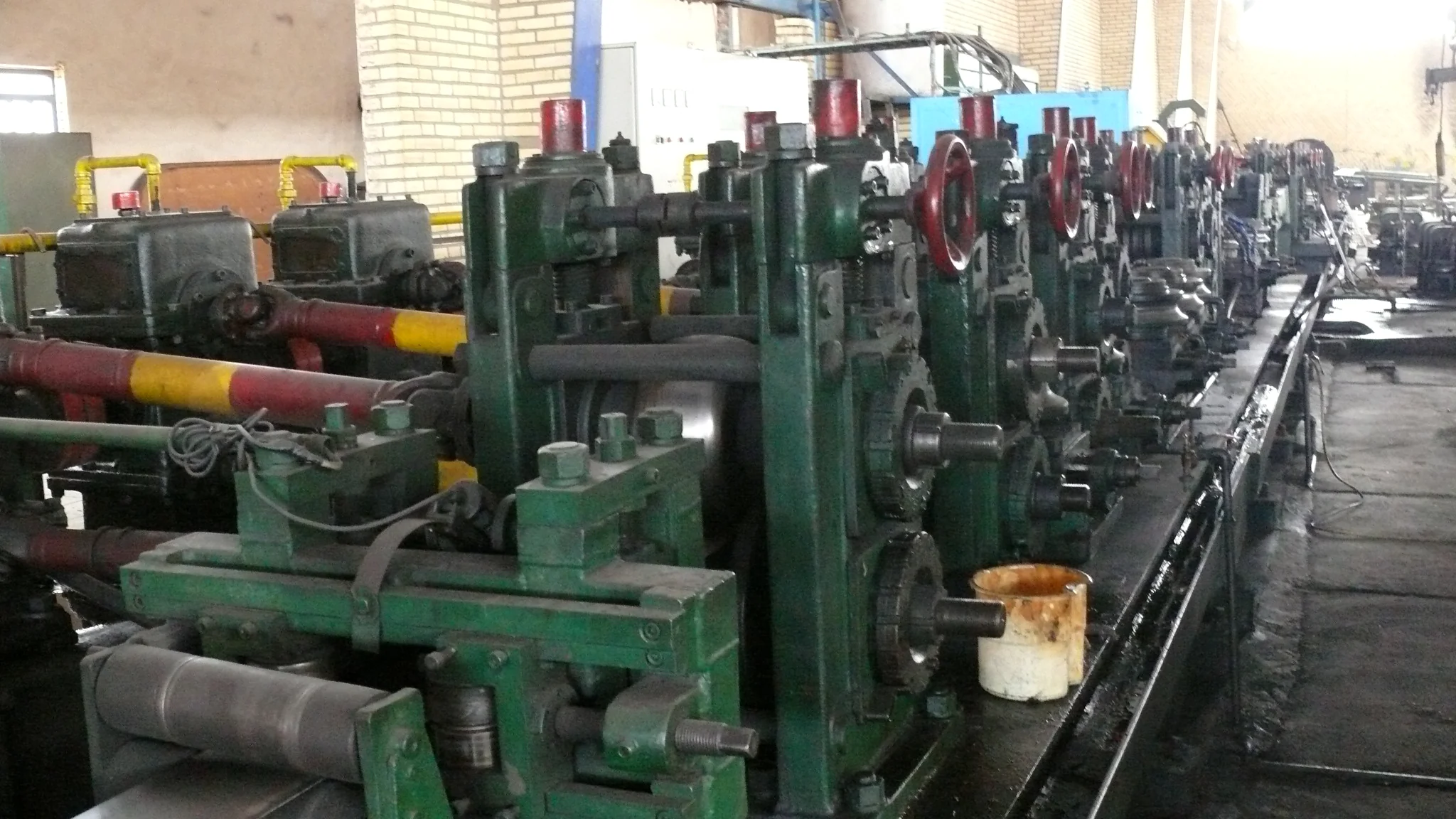
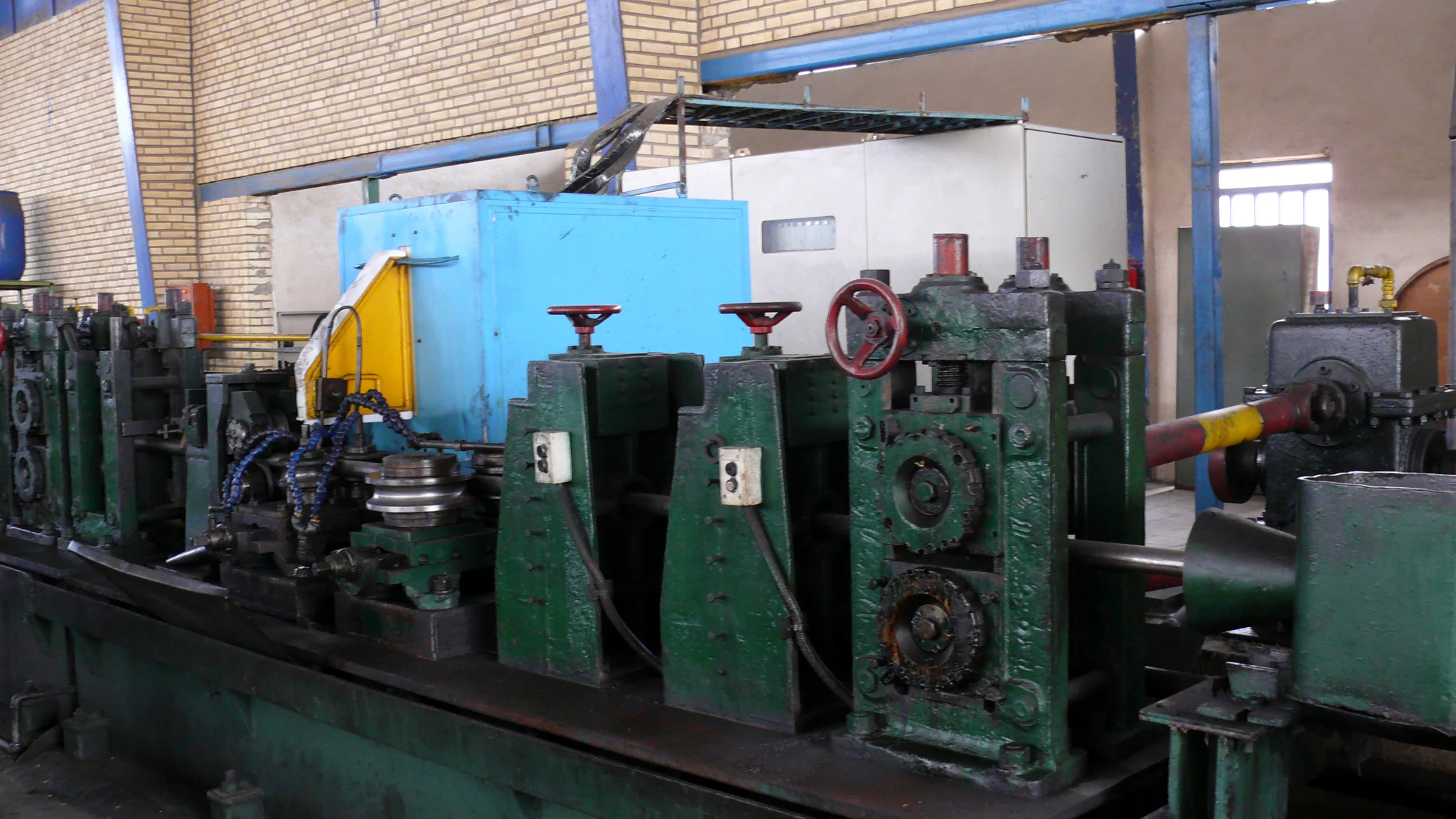
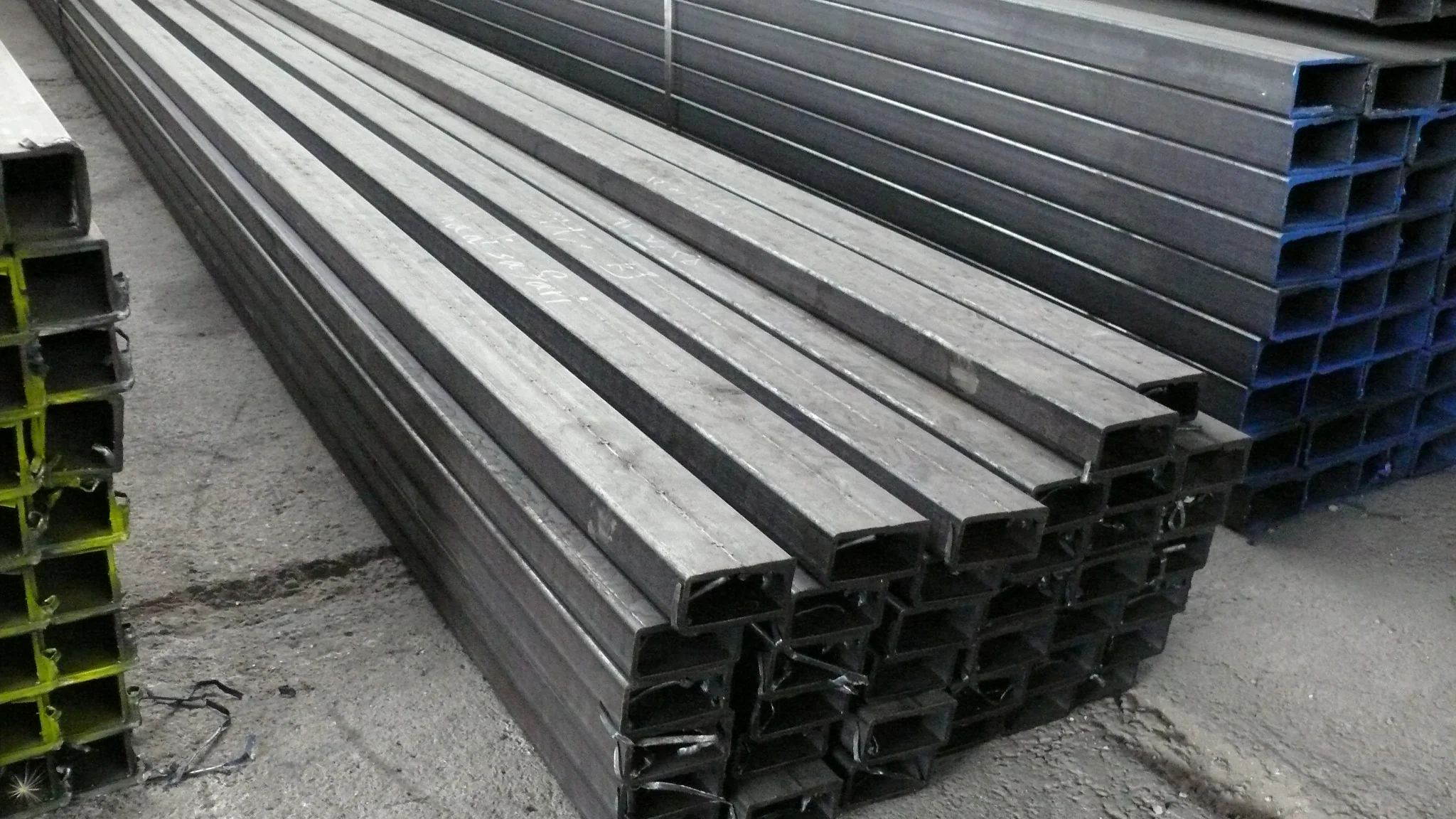
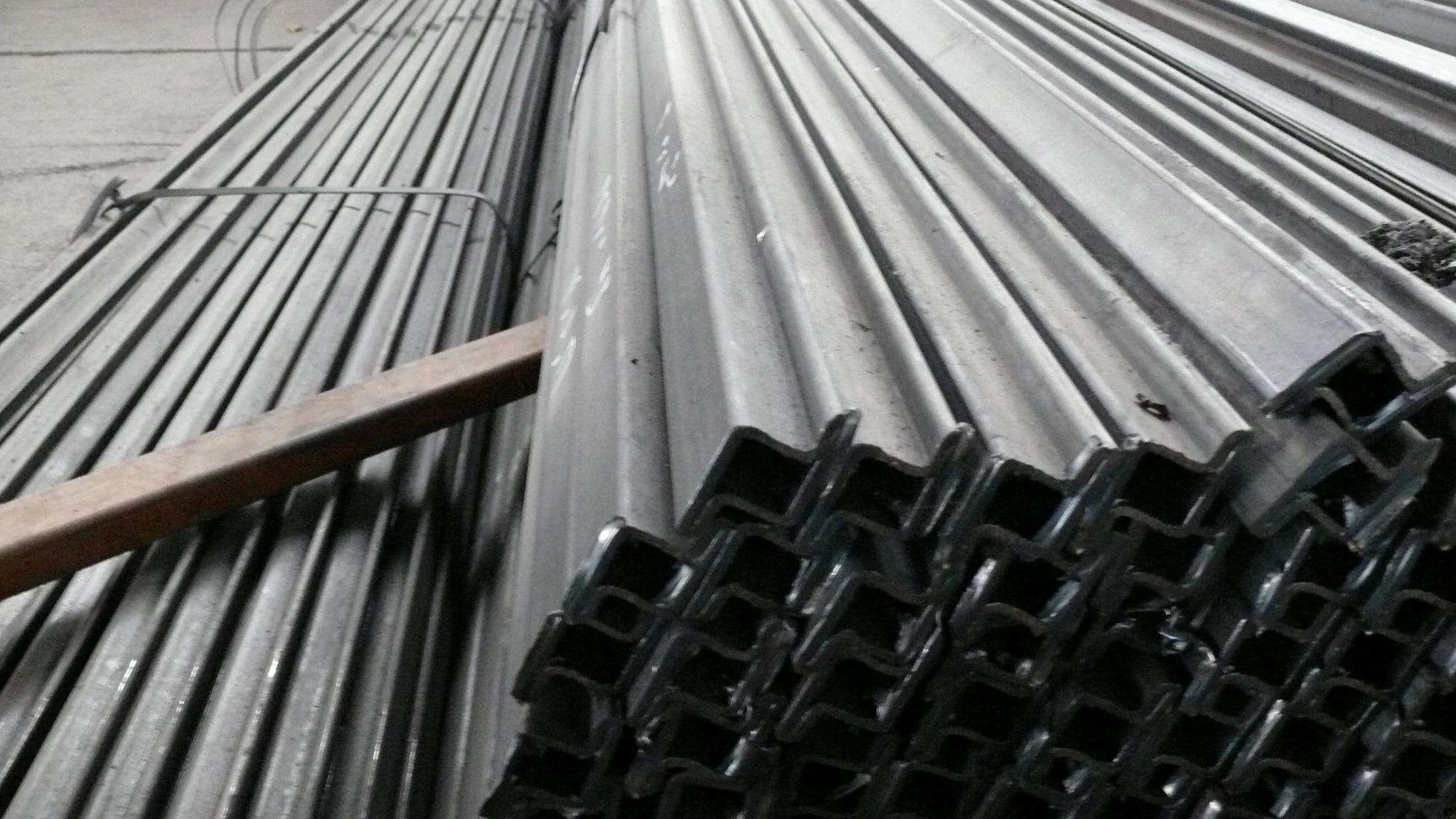
At that stage the factory employed no more than about ten people and operated only one tube-production line. The technology was old. To manufacture profiles, six-metre tubes were first produced and then transferred to separate profile-rolling machines where they were converted into door and window sections and square or rectangular hollow sections.
Increasing production and developing the workforce
After taking responsibility for production management, the first priority was to increase output capacity, followed by expanding the product range. The production workforce grew and a two-shift operating system was introduced. By 1994, the factory was operating with approximately 50 employees across two shifts.
In 1994 I left the company temporarily to oversee the rehabilitation of family properties in Abadan.
Returning to Almofil and redesigning the roll-forming process
After four years in Abadan, I returned to Shiraz in 1998 at the invitation of Almofil's new management, this time as Factory Manager. The main objective was to carry out technical improvements and raise the level of production performance.
During this period, I studied more advanced European lines, including the Italian Otomills lines and technologies from Zweite in Germany. Based on these studies, the design and construction of roll-forming sets for upgrading the existing line was undertaken.
The result was a change from a two-stage production process to the direct production of different profiles in a single line, with product changes achieved through replacement of the roll sets. At the same time, using available workshop capabilities and components that I had personally sourced from Germany, a smaller production line was also built for smaller-dimension tubes and hollow sections.
Production line and Almofil products
Archival images of the roll-forming equipment and examples of products manufactured at the factory.
Archival roll-forming engineering documentation
Examples of drawings, calculations and technical references from that period were used in studying, designing and developing roll sets and forming stages.
End of the Almofil engagement and increased focus on Aftabgoon
Aftabgoon was registered in 1998 as a private technical and engineering company. As its activities expanded by 2000, continuing my full-time management role at Almofil at the same time became increasingly difficult. My engagement with Almofil therefore ended in 2000.
By the time of my departure, the factory had developed into an operation with more than one hundred employees and production running across three shifts.
Almofil Shiraz factory
The following images show Almofil's later facilities and equipment after my period of activity with the company.
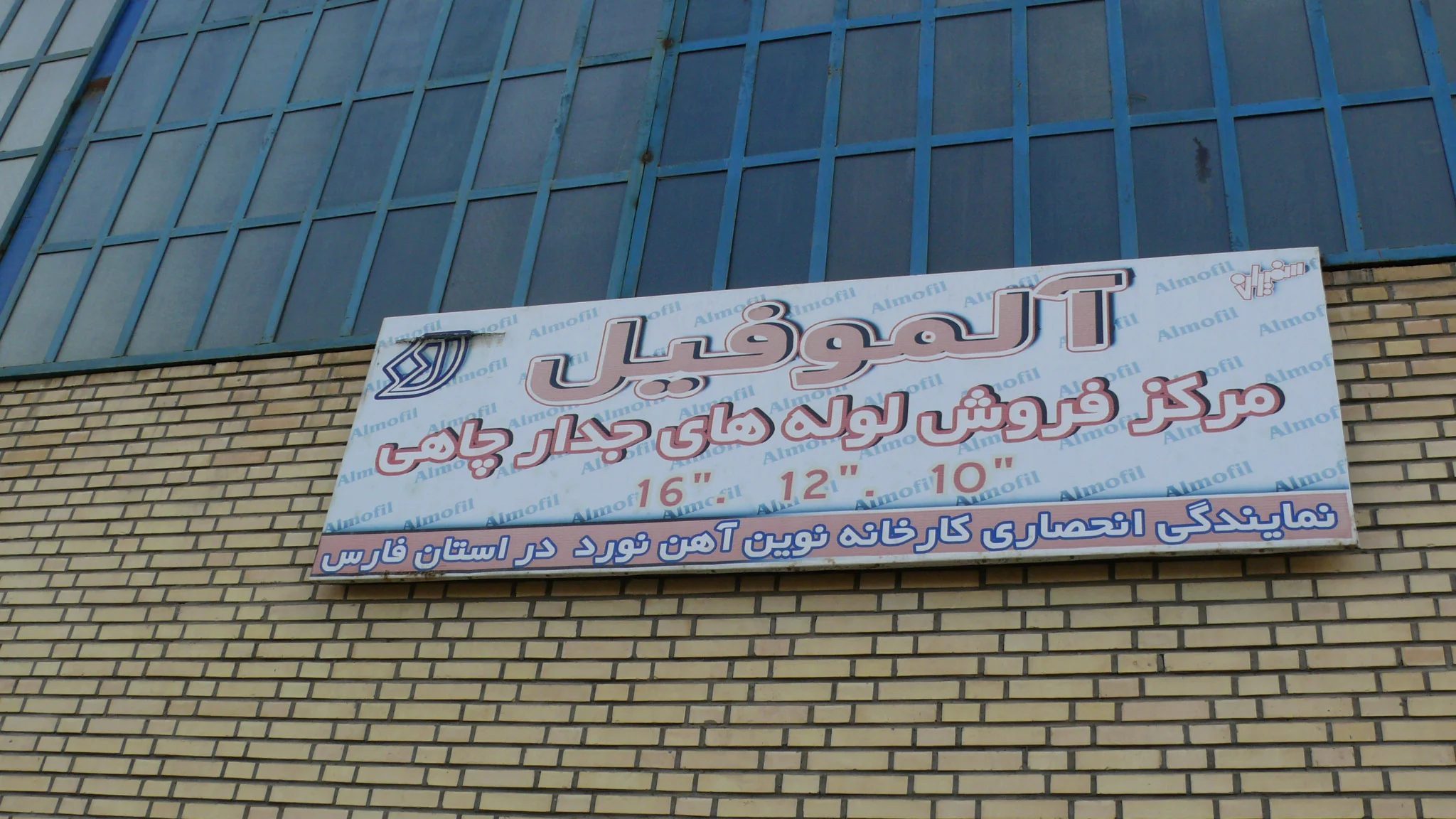
Image of Almofil's later factory location in the large Shiraz industrial estate, approximately ten years after my period of activity with the company. Almofil was later sold to another owner and relocated.
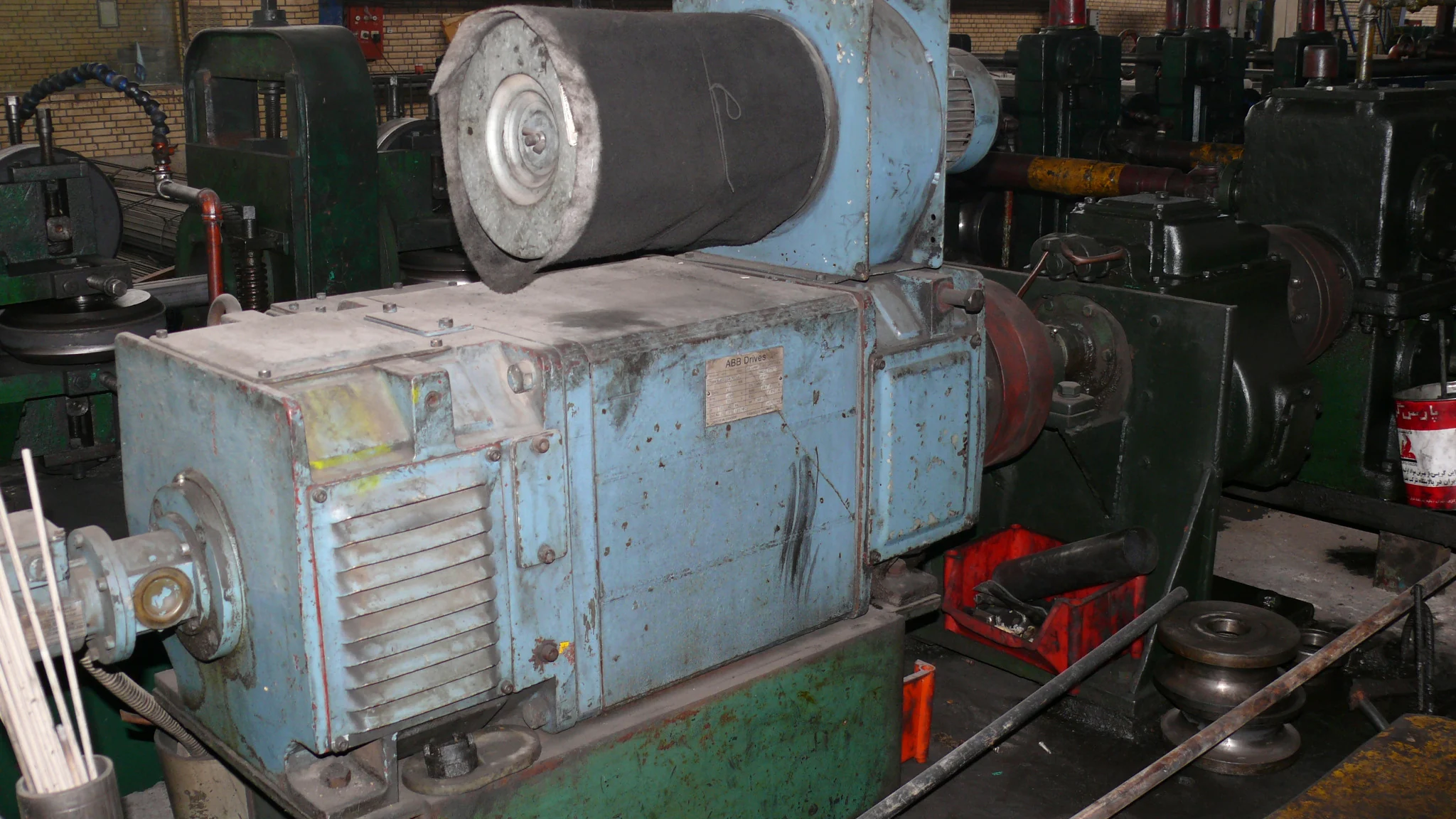
Part of the production-line equipment and drive system.
A twelve-year industrial experience in production management and process development
Technical management, specialist training, production management, workforce development and transition away from dependence on an external production team.
Return as Factory Manager, technical rehabilitation, roll-forming process redesign, direct profile production and development of additional production capability.